

Help & Resources
Wasp & Hornet Nest Season Is Here: What White Mountains Homeowners Need to Know in May
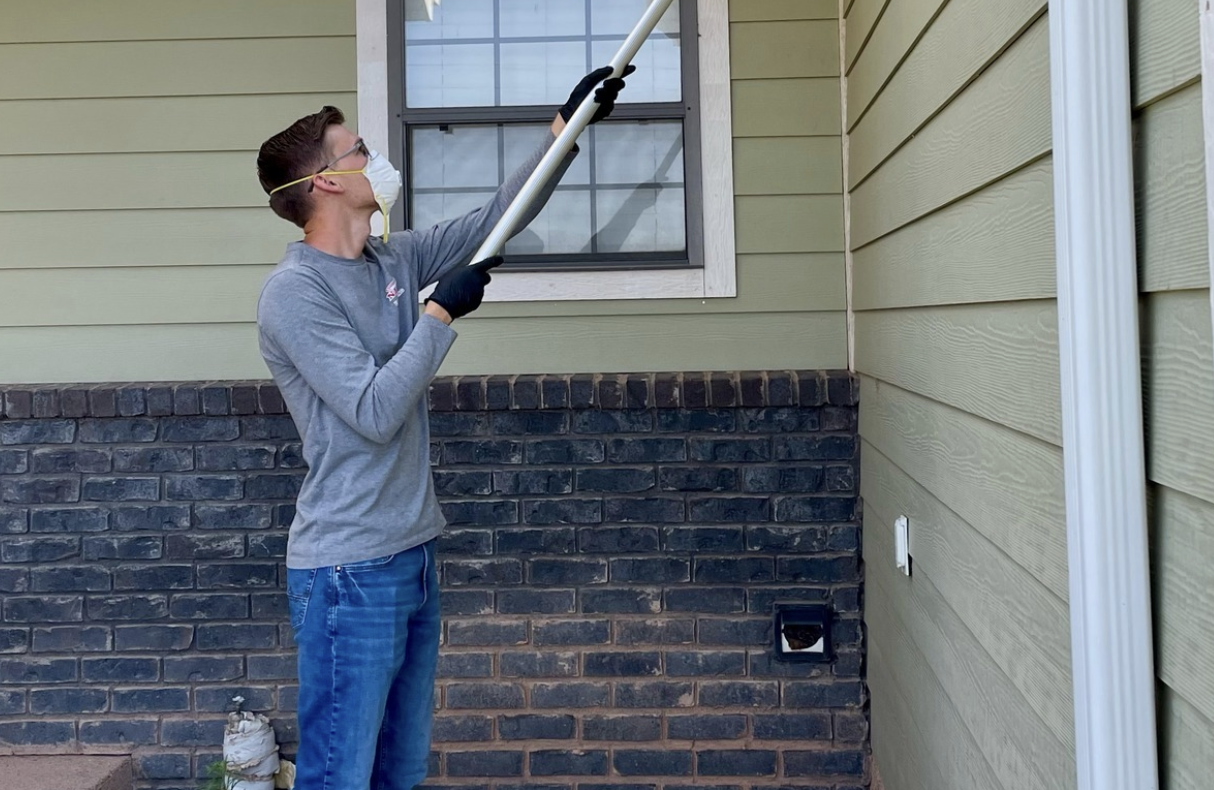
If you have spent any time on your porch lately, you may have noticed an unwelcome new visitor or two, wasps cruising the eaves, paper-thin nests starting under your patio cover, or a yellowjacket scoping out a hole in the ground near your woodpile. May is when stinging insect season officially kicks off in the White Mountains, and the next four to six weeks are when the difference between a quick treatment and a full-blown summer problem gets decided.
At Neff Exterminating, we have been protecting homes and businesses in Show Low, Snowflake, Taylor, and across the White Mountains for over 27 years. Here is what you need to know about wasp and hornet activity right now, and what to do before it gets out of hand.
Why May Is Peak Nest-Building Season
Unlike honeybees, most wasps and hornets in our region do not survive the winter as full colonies. Each spring, a single fertilized queen emerges from hibernation and starts the colony from scratch, and May is the month she is actively scouting your property for nest sites.
A queen who picks your eaves in May becomes a colony of 100+ aggressive workers by August. Catching her early, when the nest is the size of a golf ball, is dramatically easier and safer than dealing with a basketball-sized nest in late summer.
Common Stinging Insects in the White Mountains
Paper Wasps
The slim, long-legged wasps you see hovering around your eaves and porch ceilings. They build that distinctive open, umbrella-shaped paper nest with visible cells. Generally less aggressive than yellowjackets, but they will defend the nest aggressively if disturbed.
Yellowjackets
Stockier, brighter yellow-and-black, and far more aggressive. Yellowjackets often nest in the ground, abandoned rodent burrows, voids under landscaping rocks, or wall cavities. The first sign is usually a steady stream of wasps coming in and out of a small hole. Disturbing a yellowjacket nest is one of the most dangerous pest encounters in our region.
Bald-Faced Hornets
Large, black-and-white, and unmistakable. They build the gray, football-shaped paper nests you sometimes see hanging from tree branches or under high eaves. Extremely defensive, they will attack anyone within 10-15 feet of the nest.
Mud Daubers
Solitary wasps that build small, tube-shaped mud nests on walls and ceilings. They are not aggressive and rarely sting, but the nests are unsightly and their abandoned tubes get reused by other pests.
Where Nests Show Up Around White Mountains Homes
Knowing where to look in May can save you a major headache in July. The most common nest locations our technicians find this time of year:
- Eaves and soffits, paper wasps love the protected overhang.
- Patio covers, gazebos, and pergolas, high traffic, low to no disturbance.
- Sheds, barns, and outbuildings, undisturbed corners are perfect queens-only real estate.
- Underground voids, yellowjackets favor old rodent burrows, especially around woodpiles and rocky areas.
- Wall cavities, wasps entering through small gaps around vents, fascia, or utility penetrations can build nests inside walls. These are the most dangerous.
- Children's play structures and BBQ grills, anywhere that sits unused for a few weeks.
Why DIY Wasp Removal Is Riskier Than Most People Realize
Every May we get calls from homeowners who tried to handle a wasp nest themselves and ended up in urgent care. The hardware-store sprays work in some situations, but they fail badly in others, particularly with yellowjackets and bald-faced hornets, where the colony's defensive response is fast and overwhelming.
Risks we see regularly:
- Disturbing in-wall nests that drive wasps into the home through interior gaps.
- Allergic reactions, even people without a known allergy can develop one after multiple stings.
- Reaching nests on ladders, falls cause more wasp-related injuries than stings do.
- Partial kills, surface sprays often miss the queen, and a "killed" nest rebuilds within days.
Professional treatment uses targeted products and direct injection methods that take down the colony at the source, including the queen, and prevent rebuilds.
What You Can Do Right Now (Without Touching a Nest)
Even before scheduling treatment, there are simple May steps that reduce your nest risk:
- Walk your property weekly in May and early June. Look up, under eaves, patio covers, soffits. Look down, for steady wasp traffic in/out of ground holes or wall gaps.
- Seal gaps and cracks in fascia, vents, and around utility penetrations. Queens get into wall voids through openings as small as 1/4 inch.
- Keep trash cans sealed. Yellowjackets in particular forage protein and sugar, open trash is a beacon.
- Do not swat. A single wasp at a picnic is not worth a sting; staying calm and walking away is almost always the right move.
- Do not seal up an active nest hole. This forces wasps to find another exit, often into your living space.
When to Call Neff Exterminating
Call us right away if you see:
- A nest of any size on your home, eaves, or patio.
- A steady stream of wasps coming in and out of a hole, wall, or vent.
- Wasps appearing inside your home (a strong indicator of an in-wall nest).
- Aggressive wasps in an area where your kids, pets, or guests spend time.
Spring treatment is fast, affordable, and dramatically less risky than waiting until July. We also offer preventive perimeter treatments that discourage queens from establishing nests in the first place, a great option for properties that have had wasp problems in past years.
Serving the Entire White Mountains Region
Neff Exterminating provides professional pest control services for homes and businesses throughout Show Low, Snowflake, Taylor, Pinetop-Lakeside, Holbrook, Winslow, Eagar, Springerville, Heber-Overgaard, and all surrounding communities. View our full service area list to confirm we cover your location.
Do Not Wait Until That Nest Is the Size of a Football
May is the easiest, safest, and most affordable month to handle wasps and hornets. Catch them now and you avoid a summer of stings, fear, and avoiding your own backyard.
Taylor Office: (928) 536-6862
Show Low Office: (928) 532-5300
‹ Back