


Help & Resources
Why Yellowjackets Turn Aggressive in Late Summer (And How to Stay Safe)
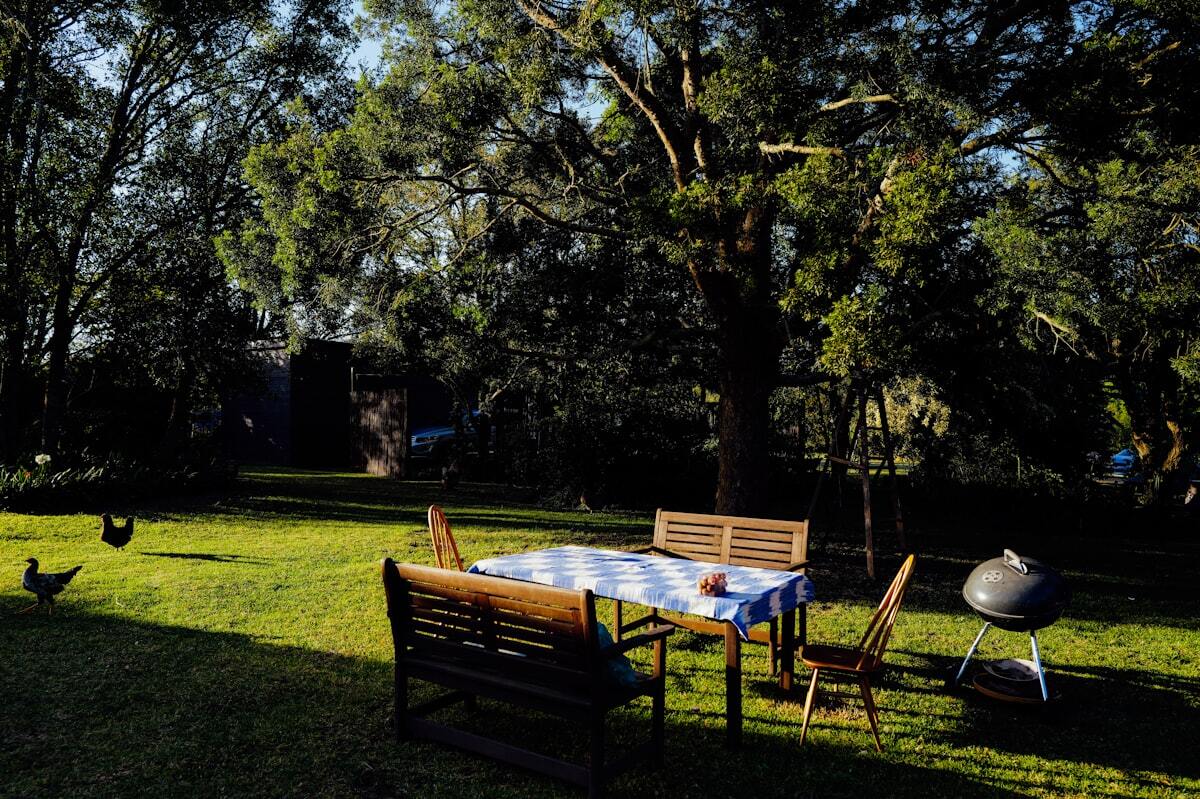
Early in the summer, yellowjackets mostly keep to themselves. But come August and September, something changes, suddenly they are crashing your cookouts, dive-bombing your soda can, and turning a quiet patio dinner into a defensive scramble. The late-summer shift in yellowjacket behavior is real, predictable, and worth understanding, because it is exactly when most stings happen across the White Mountains.
At Neff Exterminating, we field a wave of yellowjacket calls every year as summer winds down. Here is what is driving the aggression in Show Low, Snowflake, and Taylor, and how to stay safe.
Why They Get So Aggressive Late in the Season
Two things collide in late summer. First, the colony is at its largest of the year. A nest that started with a single queen in spring can hold thousands of workers by August, which means far more wasps out foraging, and far more defenders if anything threatens the nest.
Second, their food supply shifts. Through most of the summer, yellowjackets hunt insects to feed their growing larvae, and in return the larvae provide the workers with a sugary secretion. As the season ends and the queen stops laying, that food exchange dries up. Suddenly thousands of workers are hungry, their natural food is gone, and they go looking for the easiest calories around, your sugary drinks, fruit, trash, and barbecue. Combine peak numbers, desperation for food, and a strong instinct to defend a large nest, and you get the bold, irritable yellowjacket of late summer.
Yellowjackets vs. Other Stingers
Not every stinging insect is a yellowjacket, and the distinction matters:
- Yellowjackets are the aggressive, fast, black-and-yellow wasps most likely to scavenge human food. Many nest in the ground, in wall voids, or in dense cavities, often hidden until someone gets too close.
- Paper wasps build the open, umbrella-shaped nests under eaves and are generally less aggressive unless the nest is disturbed.
- Hornets build large enclosed paper nests and pack a powerful sting.
Unlike a honeybee, a yellowjacket can sting repeatedly, and a disturbed nest can send dozens of wasps after a perceived threat at once, which is what makes them genuinely dangerous, especially to anyone with an allergy.
The Real Danger: Hidden Ground Nests
The most common late-summer yellowjacket emergency in the White Mountains is an accidental encounter with a hidden ground nest. They love to nest in abandoned rodent burrows, under landscaping, in retaining walls, and in dense shrubs. A homeowner mowing the lawn, trimming a hedge, or moving a stack of firewood disturbs the entrance, and the colony erupts. Multiple stings from a disturbed nest can cause a severe reaction even in people who are not normally allergic. This is the scenario we most want people to avoid.
If you have noticed a steady stream of wasps coming and going from a single point in the ground, a wall, or a void, do not try to handle it yourself. A professional removal is far safer than a can of spray and a flashlight.
How to Stay Safe Through Late Summer
- Keep food and drinks covered outdoors, and check open cans and cups before sipping, a wasp inside a soda can is a classic late-summer sting.
- Manage trash. Keep cans sealed and rinsed, and move them away from patios and play areas.
- Clean up fallen fruit and spills promptly.
- Stay calm around a stray wasp. Swatting and flailing provokes stinging; move away slowly instead.
- Scout before yard work. Watch for wasp traffic before mowing, trimming, or moving woodpiles and equipment.
- Do not seal a wall-void nest on your own, trapped wasps will chew through into the living space.
- Never attempt a large or in-ground nest yourself, especially if anyone in the household is allergic.
Why Professional Removal Is Worth It
Store-bought sprays are designed for the visible part of a nest, but late-summer colonies are large, often hidden, and quick to defend. A professional can locate the nest, treat it safely with the right equipment and protection, and address the conditions drawing wasps to your property, so you can finish out the season on your own patio. With a large or concealed nest, the safe and effective choice is to let a pro handle it.
How to Tell If a Nest Is Active
Before you worry about a nest, it helps to know whether it is live. The clearest sign is steady, two-way traffic: a reliable stream of wasps coming and going from the same point in the ground, a wall void, a wood pile, or under the eaves, especially during the warm part of the day. A few wasps cruising the patio for food does not necessarily mean a nest is close, but a consistent flight path to and from one spot almost always does. Late summer is when these nests are at their biggest and most defended, so the safest move is to observe from a distance and never seal or block an entrance you have found.
What to Do If You Are Stung
For a normal sting, wash the area, apply a cold compress to reduce swelling, and use an over-the-counter antihistamine or anti-itch product as needed. Because yellowjackets can sting repeatedly, a disturbed nest can deliver many stings fast, so move calmly away from the area rather than swatting. Seek emergency care immediately for any sign of a serious allergic reaction, such as difficulty breathing, swelling of the face or throat, dizziness, or hives spreading across the body. If anyone in your household has a known sting allergy, treat any nest near the house as an urgent priority and leave the removal to a professional.
Serving the White Mountains
Neff Exterminating provides pest control, including wasp and yellowjacket removal, for homes and businesses throughout Show Low, Snowflake, Taylor, Pinetop-Lakeside, Holbrook, Winslow, Eagar, Springerville, Heber-Overgaard, and surrounding communities. View our full service area list to confirm we cover your location.
Yellowjackets Taking Over Your Yard?
Late-summer nests are large, often hidden, and quick to defend, not a DIY job. Call Neff Exterminating today for safe, professional wasp removal and a free quote.
Taylor Office: (928) 536-6862
Show Low Office: (928) 532-5300
‹ Back
Recent Posts
-
Stacking Firewood for Winter? You May Be Carrying Pests Into Your Home
September 25, 2026
-

Back-to-School Bed Bug Awareness: Protecting Your Home From Hitchhikers
September 18, 2026
-
-
-