


Help & Resources
7 Signs Rodents Have Already Moved Into Your Attic
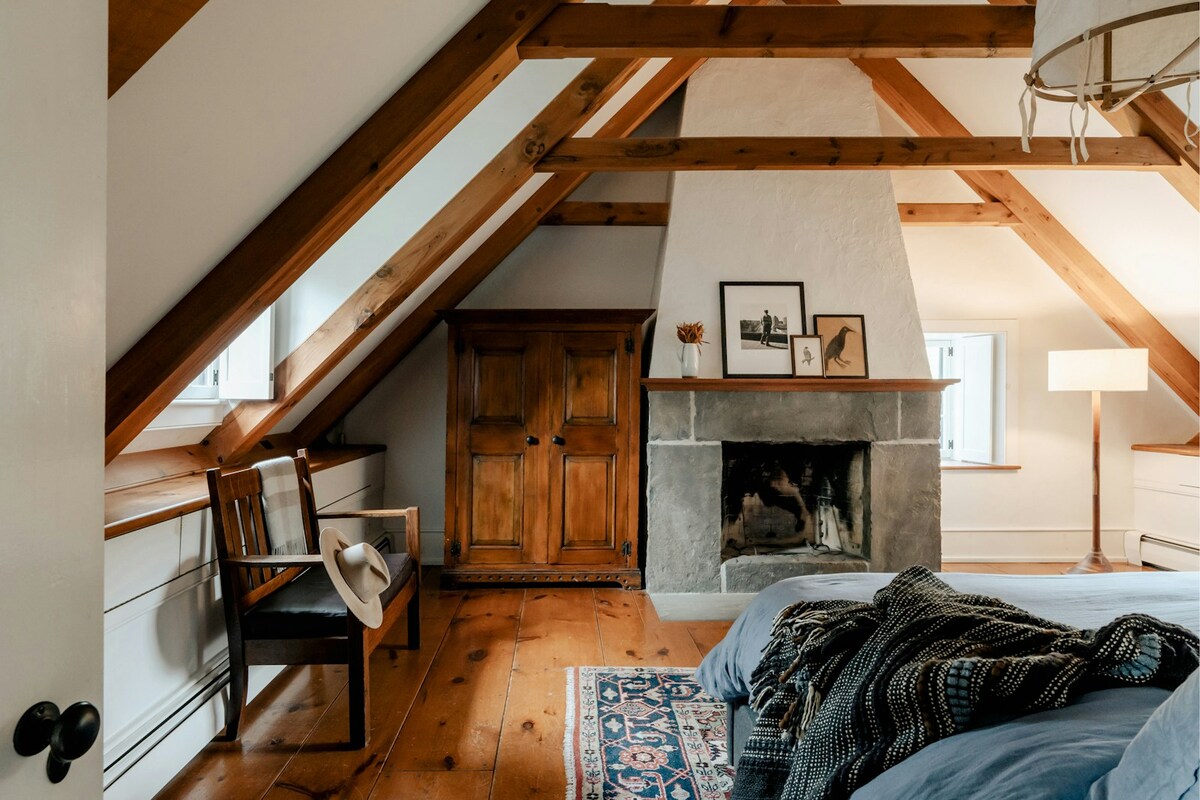
Most homeowners do not discover an attic rodent problem until it is well established. That is not carelessness, it is simply that the attic is the one part of the house nobody visits. A family of mice can live above your ceiling for months before anyone notices a thing. By the time the evidence becomes obvious, the population has usually grown and the damage has already started.
October is the right month to check, because rodents are moving in now and the problem is still small. At Neff Exterminating, here is what to look for in White Mountains homes.
Why the Attic Is Prime Real Estate
From a rodent's point of view, an attic is close to perfect. It is warm, dry, and quiet. It is full of insulation that makes ideal nesting material. Nobody disturbs it for months at a time. And it usually connects to the rest of the house through wall voids, offering safe travel routes to your kitchen at night.
In our part of Arizona, the pressure ramps up sharply as fall nights turn cold. Mice, pack rats, and squirrels that spent the summer outdoors start testing structures for a way in. Homes surrounded by trees, woodpiles, or open country see the heaviest pressure, and cabins that sit empty for stretches are especially vulnerable because there is nobody around to notice the early signs.
The 7 Signs Worth Knowing
1. Sounds Overhead at Night
This is the one most people notice first. Scratching, scurrying, gnawing, or a rolling sound in the ceiling, typically starting shortly after dark and again before dawn. Rodents are most active at night, so a house that is silent all day can come alive once the lights go out. A rolling or dragging sound often points to pack rats moving objects around.
2. Droppings
Droppings are the most reliable confirmation. Mouse droppings are small, dark, and pointed at the ends, roughly the size of a grain of rice. Rat and pack rat droppings are noticeably larger. You will find them concentrated along walls, near insulation, and around any food or nesting material. Fresh droppings are dark and soft, while older ones are gray and crumble easily, which helps you judge whether activity is current.
3. Disturbed or Tunneled Insulation
Rodents burrow through insulation to nest. Look for troughs, tunnels, flattened paths, and areas where the insulation looks shredded or compressed. Nests themselves appear as loose balls of shredded insulation, paper, fabric, and plant material tucked into corners or against framing.
4. Gnaw Marks and Chewed Wiring
Rodent teeth grow continuously, so they gnaw constantly to wear them down. Check wooden framing, stored boxes, and especially electrical wiring for chew marks. Damaged wiring is the most serious consequence of an attic rodent problem, and it is a genuine fire risk. Any chewed wire should be treated as urgent.
5. Smell
An established population produces a persistent musty, ammonia-like odor from urine that builds up over time. If a rodent dies in a wall void or under insulation, the smell becomes unmistakable for a week or two. Pack rat nests in particular can produce a strong odor that works its way down into living spaces.
6. Rub Marks and Runways
Rodents travel the same routes repeatedly and prefer to run along edges rather than across open spaces. Over time, oils and dirt from their fur leave dark smudges along beams, pipes, and the tops of walls. These grease marks are a clear indicator of an established, regularly used pathway.
7. Evidence Showing Up Downstairs
Often the first clue is not in the attic at all. Droppings behind the stove, chewed food packaging in the pantry, or a pet suddenly fixated on a spot on the ceiling can all point to a population living above you and coming down at night to feed.
Hearing Something in the Ceiling?
Attic rodent problems only grow. Call Neff Exterminating for a professional inspection and a free quote before the damage adds up.
Taylor Office: (928) 536-6862
Show Low Office: (928) 532-5300
What It Costs to Wait
Rodents in an attic are not a static problem, and that is what makes waiting expensive. A pair of mice can produce several litters in a season, so a small problem in October is a considerably larger one by February.
Meanwhile the damage accumulates. Contaminated insulation loses its effectiveness and eventually needs replacement, which is often the single largest cost of a long running infestation. Chewed wiring creates a fire hazard. Urine and droppings soak into building materials and produce odors that linger long after the rodents are gone. Rodents also carry disease and can introduce fleas, ticks, and mites into the structure.
There is also a straightforward health consideration. Rodent droppings and nesting material should not be disturbed casually, because doing so can send contaminated dust into the air. Cleanup of an established infestation is a job worth handling properly rather than sweeping up on a Saturday afternoon.
Why Trapping Alone Does Not Finish the Job
Setting a few traps in the attic will catch some rodents. It will not solve the problem, because it does nothing about how they got in.
Lasting rodent control has two halves. The first is removing the current population. The second, and the more important one, is exclusion: finding and sealing the entry points so the next wave cannot follow. Skip the second half and you will be resetting traps every fall for as long as you own the house.
Entry points are frequently higher up than people expect. Roof line gaps, soffit and eave openings, unscreened attic and gable vents, the spaces where utility lines enter, and gaps around the chimney are all common. Overhanging tree limbs give rodents a direct route to the roof, which is why trimming branches back from the structure is one of the most effective preventive steps available.
Getting Ahead of It
The best outcome is catching the problem before it becomes one. If you have not been in your attic since spring, take a light up there and spend ten minutes looking for the signs above. Check the perimeter of your home for gaps at the roof line. Trim branches back from the roof. Keep firewood and stored materials away from the walls.
For cabins and rental properties that sit unoccupied, a scheduled seasonal inspection is well worth it, since those are precisely the buildings where a problem can run unchecked for an entire season.
Serving the White Mountains
Neff Exterminating provides pest and rodent control for homes and businesses throughout Show Low, Snowflake, Taylor, Pinetop-Lakeside, Holbrook, Winslow, Eagar, Springerville, Heber-Overgaard, and surrounding communities. View our full service area list to confirm we cover your location.
Find Out What Is Living Up There
An inspection now is far cheaper than replacing insulation and wiring later. Call Neff Exterminating today for a free quote.
Taylor Office: (928) 536-6862
Show Low Office: (928) 532-5300
‹ Back
Recent Posts
-
7 Signs Rodents Have Already Moved Into Your Attic
October 9, 2026
-

Why Spiders Suddenly Appear Indoors Every October
October 2, 2026
-

-
Stacking Firewood for Winter? You May Be Carrying Pests Into Your Home
September 25, 2026
-

Back-to-School Bed Bug Awareness: Protecting Your Home From Hitchhikers
September 18, 2026
