


Help & Resources
Why Pest Problems Get Worse in Winter, Not Better
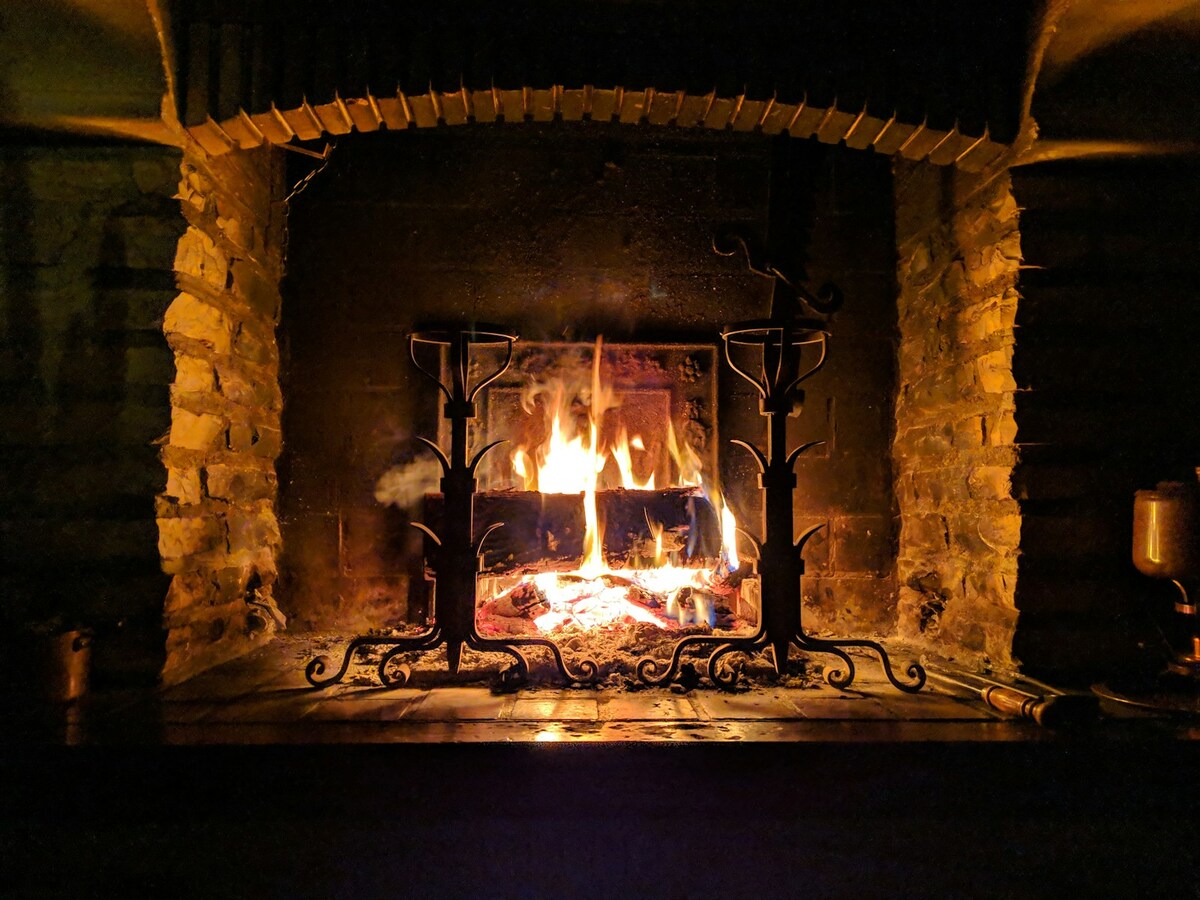
It is one of the most common assumptions we hear, and it costs homeowners real money every year. The weather turns cold, the bugs disappear from the yard, and it seems reasonable to conclude that pest season is over until spring. In reality, winter is when many pest problems become their worst, they simply move somewhere you are less likely to see them until the population is well established.
Understanding why changes how you approach the season. At Neff Exterminating, here is what actually happens when the temperature drops in the White Mountains.
Cold Does Not Kill Pests, It Relocates Them
The assumption behind the myth is that freezing temperatures wipe out insects and rodents. Some outdoor insect activity does decline, but very little of it dies off in the way people imagine.
Instead, pests do what any living thing does when conditions turn hostile. They find shelter. Some go dormant in protected spaces outdoors. Others enter a state called diapause, a kind of suspended development, tucked into wall voids and attics. And a great many simply move into the warmest, driest, most food rich structure available, which is your house.
From inside your walls, winter is not winter at all. It is a climate controlled environment with a reliable food supply and no predators. Populations that would have been limited by weather outdoors can continue growing indoors straight through the season.
Why You Notice Less While the Problem Grows
Here is the part that catches people out. In summer, pest activity is visible. You see ants on the counter, wasps on the patio, and spiders on the porch. In winter, that same activity moves into attics, crawlspaces, wall voids, basements, and the backs of cabinets.
Less visible does not mean less active. It means the early warning signs are hidden. A rodent population that would have been obvious in July can build quietly from November through February, and the homeowner does not find out until they hear something in the ceiling or open a storage box in spring.
This is the central reason winter problems tend to be more expensive by the time they are discovered. They have had months to develop without interference.
What Is Actually Active in a White Mountains Winter
- Rodents. This is the big one. Mice, pack rats, and squirrels are at their most active around structures all winter. They breed indoors year round, so a small fall problem becomes a serious one by late winter.
- Overwintering insects. Box elder bugs, cluster flies, lady beetles, and stink bugs enter in fall and spend the season in wall voids and attics. On warm winter afternoons they wake up and wander into living spaces.
- Spiders. Indoor populations persist all winter, feeding on other insects sheltering inside.
- Cockroaches. Entirely indoor pests once established, they are unaffected by outdoor temperature and thrive near warmth and moisture.
- Pantry pests. Beetles and moths in stored food do not care what month it is. Holiday baking supplies sitting in a cupboard are a common source.
- Termites. Subterranean termites remain active below the frost line and continue feeding on structural wood through winter.
- Bed bugs. Purely indoor and completely seasonal-proof, with holiday travel and house guests making winter a notable spread period.
Do Not Wait Until Spring to Find Out
Winter problems build quietly. Call Neff Exterminating for an inspection and a free quote before a small issue becomes a large one.
Taylor Office: (928) 536-6862
Show Low Office: (928) 532-5300
The Things We Do in Winter That Make It Worse
Ordinary seasonal habits tend to help pests along without anyone intending it.
We seal the house up tight for warmth, which also traps whatever is already inside and reduces ventilation in the spaces they occupy. We run heat continuously, creating exactly the warm conditions that keep populations reproducing. We bring firewood indoors, along with whatever is living in it. We pull decorations out of long term storage and carry them into the living room without inspection. We do more baking and cooking, generating crumbs and food waste at the busiest time of year. And we host guests and travel, which is how bed bugs move between homes.
None of that is avoidable, and none of it needs to be. It just explains why winter is not the quiet season people expect.
Why the First Warm Days Feel Like an Invasion
Many homeowners have the same experience in late winter. A stretch of warm afternoons arrives, and suddenly there are box elder bugs on the windowsills or lady beetles in the living room, seemingly out of nowhere.
They did not come from outside. Those insects entered the previous fall and spent the winter dormant in your walls and attic. Warmth signals to them that spring has arrived, they become active, and because they are disoriented, they head toward light and end up inside your living space instead of back outdoors.
It is a useful thing to understand, because it tells you the treatment window was months earlier. Once they are in the walls, options are limited. Prevention in fall is what determines the late winter experience.
What to Do About It
Treat winter as an active part of the pest control year rather than an off season.
Keep an eye on the quiet parts of the house. Check the attic, garage, crawlspace, and storage areas periodically rather than leaving them undisturbed until spring. Look for droppings, gnaw marks, nesting material, and disturbed insulation.
Maintain your exclusion work. Cold weather is hard on seals and weatherstripping, and a door sweep that was fine in October may have a gap by January. Keep firewood away from the house and bring in only what you will burn.
Stay on top of sanitation through the holidays, when food volume in the house peaks. Store baking supplies in sealed containers, keep pet food closed, and clean up promptly after gatherings.
Most of all, act on the small signs. A single mouse dropping, one gnaw mark, or a few insects on a windowsill in January is not a coincidence. It is the visible part of something larger happening where you cannot see it, and it is far easier to address in November than in March.
Serving the White Mountains
Neff Exterminating provides pest and rodent control and termite control for homes and businesses throughout Show Low, Snowflake, Taylor, Pinetop-Lakeside, Holbrook, Winslow, Eagar, Springerville, Heber-Overgaard, and surrounding communities. View our full service area list to confirm we cover your location.
Year Round Protection for Your Home
Pest control is not a summer service. Call Neff Exterminating today and stay protected through the winter.
Taylor Office: (928) 536-6862
Show Low Office: (928) 532-5300
‹ Back
Recent Posts
-
Why Pest Problems Get Worse in Winter, Not Better
November 6, 2026
-

Winter Pest Prep for White Mountains Businesses
October 30, 2026
-
Halloween Decorations, Pumpkins, and the Pests They Attract
October 23, 2026
-
The White Mountains Pest-Proofing Checklist for Winter
October 16, 2026
-
7 Signs Rodents Have Already Moved Into Your Attic
October 9, 2026
