


Help & Resources
Stacking Firewood for Winter? You May Be Carrying Pests Into Your Home
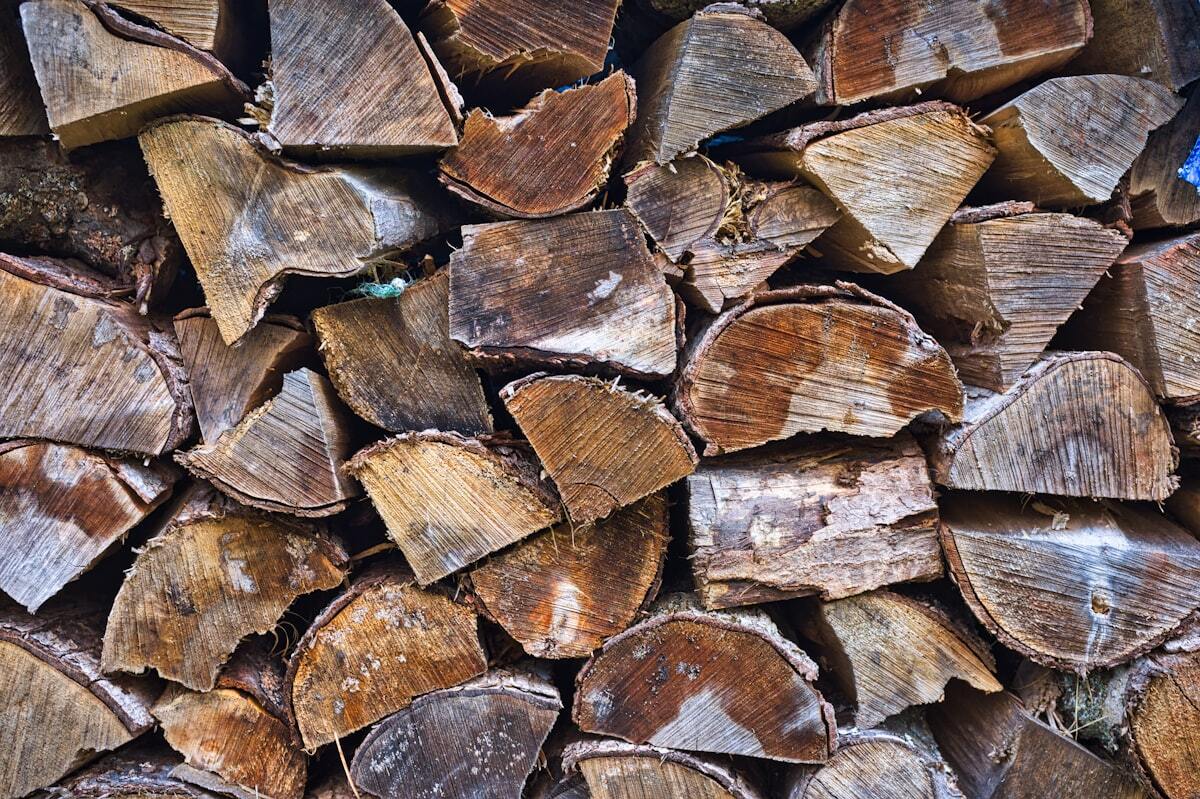
As the nights cool in the White Mountains, the woodpile becomes a fall ritual, splitting, stacking, and hauling in armloads for the first fires of the season. But firewood is also one of the most overlooked ways pests get into a home. That cozy stack of wood is a thriving habitat for insects, and every armful you carry inside is a potential delivery of unwanted guests straight to your living room.
The fix is not to give up your fireplace, it is to handle and store firewood the right way. At Neff Exterminating, here is what Show Low, Snowflake, and Taylor homeowners should know before stocking up for winter.
What's Living in Your Woodpile
A firewood stack offers food, moisture, and shelter, everything a wide range of pests need. Commonly found in and around firewood:
- Carpenter ants, which nest in damp and decaying wood and are one of the most common firewood hitchhikers.
- Termites, which can be present in wood that has been in ground contact, a serious concern if the pile sits against the house.
- Wood-boring beetles, whose larvae develop inside logs and emerge as adults, sometimes after the wood is already indoors.
- Spiders, including the black widows that favor the dark, sheltered gaps between logs.
- Scorpions, which hide in woodpiles during the day.
- Cockroaches, earwigs, sowbugs, and other moisture pests living in the damp lower layers.
- Rodents, which nest in and under large piles, especially when stacked against a building.
The Golden Rule: Store It Away and Off the Ground
How and where you store firewood matters more than anything else. The goal is to keep the pile from becoming a pest bridge to your house:
- Keep firewood at least 20-30 feet from the house when you can, and never stacked against an exterior wall. A pile against the siding gives ants, termites, and rodents a direct path inside.
- Store it up off the ground, on a rack, racks, or rails, at least a few inches up. Ground contact invites termites and keeps the wood damp.
- Cover the top, not the sides. Cover the top to shed rain and snow, but leave the sides open so the wood can dry and air out; sealing the whole pile traps the moisture pests love.
- Stack loosely in a single row where possible, so it dries quickly and offers less dark harborage.
- Use the oldest wood first and rotate the stack so logs do not sit for years becoming insect colonies.
Bringing It Inside the Right Way
Even well-stored firewood carries some passengers, so handle the indoor hand-off carefully:
- Bring in only what you will burn that day. This is the single most important habit. Indoor warmth wakes up dormant insects in the wood, a stack kept by the fireplace for a week becomes a hatchery.
- Knock and inspect each log before carrying it in, brushing off insects, eggs, and debris outside.
- Do not store firewood in the garage or basement for long periods, it is one of the most common ways carpenter ants and beetles get established indoors.
- Never spray firewood with pesticide. It does not work well on wood, and burning treated wood releases toxic fumes into your home. Proper storage, not chemicals, is the answer.
If you carry in more than the day's wood and start seeing carpenter ants, beetles, or spiders showing up indoors through the winter, the woodpile is a likely source, and a professional inspection can confirm whether anything has moved from the stack into the structure.
When the Woodpile Becomes a Bigger Problem
Sometimes a woodpile is more than a nuisance, it is an early warning. Carpenter ants or termites in firewood stacked near the home can signal, or lead to, an infestation in the structure itself. If you are finding large numbers of wood-destroying insects around the pile, or seeing them indoors, it is worth having the area and the home checked. Catching it at the woodpile stage is far cheaper than catching it after the insects have moved into your framing.
Storage Setups That Work, and Ones That Don't
Not every property has the same options for storing wood, so it helps to know what works. A simple metal or treated-rail rack that holds the wood several inches off the ground, set well away from the house with the top covered and the sides open, is the gold standard, since it keeps the pile dry, ventilated, and off the soil. An open-sided wood shed works well for the same reasons. The setups that cause trouble are the ones that trap moisture or bridge to the structure: wood stacked directly on the ground, piled against an exterior wall or fence, or sealed under a tarp that wraps the whole stack and holds dampness in. Those conditions are an open invitation to termites, carpenter ants, and the moisture pests that follow them.
Signs the Woodpile Has Become a Problem
Keep an eye out for clues that the pile has shifted from harmless to a real concern. Sawdust-like frass beneath the wood, mud tubes on logs or on the ground under them, large numbers of ants trailing to and from the stack, or wood that is unusually soft and crumbling all point to wood-destroying insects you do not want anywhere near your home's framing. If the pile sits close to the house and you are seeing these signs, it is worth having both the wood and the adjacent structure inspected, because the same insects thriving in the stack are the ones most likely to move into the building next.
Serving the White Mountains
Neff Exterminating provides pest and rodent control and termite control for homes and businesses throughout Show Low, Snowflake, Taylor, Pinetop-Lakeside, Holbrook, Winslow, Eagar, Springerville, Heber-Overgaard, and surrounding communities. View our full service area list to confirm we cover your location.
Don't Let the Woodpile Move In With You
Carpenter ants, termites, and spiders all ride in on firewood. If you are seeing them indoors this fall, let us check the source. Call Neff Exterminating today for a free quote.
Taylor Office: (928) 536-6862
Show Low Office: (928) 532-5300
‹ Back
Recent Posts
-
Stacking Firewood for Winter? You May Be Carrying Pests Into Your Home
September 25, 2026
-

Back-to-School Bed Bug Awareness: Protecting Your Home From Hitchhikers
September 18, 2026
-
-
-