


Help & Resources
Fly Season in the White Mountains: House, Horse & Deer Flies and How to Get Control
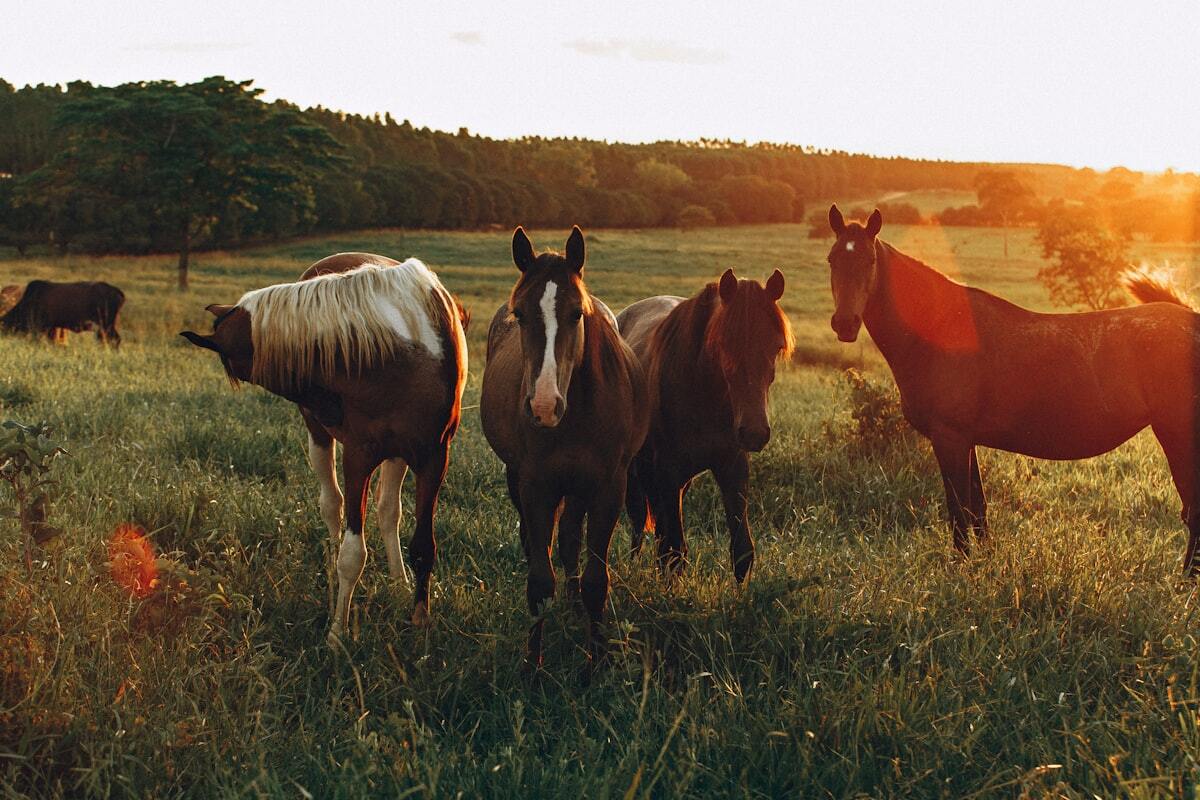
There is a moment every July when fly season stops being background noise and becomes a daily battle, flies slipping in every time the door opens, horse flies dive-bombing the back patio, and biting deer flies circling your head the second you step outside. For homeowners, horse owners, and anyone with livestock in the White Mountains, mid-summer is when fly pressure peaks, and it is one of the most persistent pest complaints we hear all year.
At Neff Exterminating, we have spent over 27 years helping families and property owners across Show Low, Snowflake, Taylor, and the surrounding ranch country get fly populations back under control. Here is what is driving the surge and what actually works.
Why Flies Explode in Mid-Summer
Flies are a numbers game, and summer stacks the deck in their favor. Warm temperatures dramatically speed up their life cycle, a house fly can go from egg to adult in as little as a week in summer heat. Add the moisture and organic matter that come with monsoon season, and every fly that breeds successfully produces hundreds more in a matter of weeks. A small problem in June becomes a swarm by late July if nothing interrupts the cycle.
The other factor is breeding material. Flies need decaying organic matter to reproduce, and summer provides it everywhere: livestock manure, pet waste, garbage, compost, grass clippings, and spilled feed. The closer those materials are to your home or barn, the heavier your fly pressure will be.
The Flies You Are Fighting
House Flies
The classic indoor nuisance. They do not bite, but they are far from harmless, house flies feed on garbage, manure, and decaying matter, then land on your food and prep surfaces, mechanically transferring bacteria as they go. Heavy house fly activity indoors is usually a sign of a breeding source close to the house.
Horse Flies
Large, fast, and aggressive. The females are blood-feeders with a painful bite, and they are a serious torment to horses, cattle, and people around pastures and water. They are strong fliers that range widely, which makes them one of the harder flies to control by source alone.
Deer Flies
Smaller relatives of horse flies, often with patterned wings, that circle the head and deliver a sharp bite. They are most active on warm, still days and are common near the wooded and brushy edges so many White Mountains properties back up to.
Stable Flies
Look much like house flies but bite, usually around the lower legs and ankles. They are a major problem around barns, corrals, and anywhere straw, manure, and moisture mix.
Filth & Blow Flies
The larger metallic green and blue flies that show up fast around carcasses, garbage, and pet waste. A sudden cluster of them indoors can signal a dead rodent or bird in a wall or attic, worth investigating.
Why Flies Are More Than a Nuisance
It is easy to write flies off as just annoying, but they carry real costs. House and filth flies are recognized vectors for bacteria and pathogens that cause foodborne illness. Biting flies stress livestock, reducing weight gain and milk production and leaving wounds open to infection, and make time outdoors miserable for your family. For anyone with horses or cattle, summer fly load is a genuine animal-welfare and productivity issue, not just a comfort one. Our outdoor pest services are built to take that pressure down around both your home and your animals.
What Actually Reduces Fly Pressure
Effective fly control always starts with sanitation, because nothing else works if the breeding sites stay in place:
- Manage manure and waste. Clean stalls, corrals, and pet areas frequently, and spread or remove manure so it dries out fast, flies cannot breed in dry material.
- Tighten up the trash. Use sealed cans, rinse recyclables, and keep dumpsters and bins away from doors and as clean as possible.
- Clean up feed spills around barns and feeders, and store feed in sealed containers.
- Eliminate standing water and wet spots where moisture and organic matter collect, especially after monsoon storms.
- Screen and seal the house. Repair torn window screens, add or fix door sweeps, and consider screening that lets you ventilate without inviting flies in.
- Use fans in barns and patios. Flies are weak fliers and avoid steady airflow.
Sanitation knocks the population down, but in a heavy fly year, especially around livestock, it is rarely enough on its own.
Where Professional Service Comes In
A professional program adds the tools that source reduction alone cannot: targeted residual treatments on the surfaces where flies rest, fly-specific baiting where appropriate, and a coordinated plan for the breeding zones around barns, corrals, and trash areas. Just as importantly, it is built around your property, the fly mix around a horse property is different from a downtown restaurant or a residential patio, and the treatment should reflect that. The same exterior service also keeps the broader summer pest load, the gnats, mosquitoes, and wasps that ride the same season, in check.
Why Some Summers Are Worse Than Others
If it feels like fly pressure swings wildly from one year to the next, you are not imagining it. Fly populations track closely with moisture and temperature, so a wet monsoon that leaves standing water, lush vegetation, and damp organic matter will produce far more flies than a dry summer. Properties near pastures, water, livestock, or agricultural land tend to run heavier year-round, simply because the breeding material is closer at hand.
This is also why a neighbor can seem fly-free while your yard is overrun, or the reverse. The single biggest variable is proximity to breeding sites, which is how two homes on the same street can have completely different fly experiences. Identifying and managing the breeding sources nearest your property is the part of fly control that makes the most lasting difference, and it is the part a professional assessment is built to pin down for your specific situation.
Serving the White Mountains
Neff Exterminating provides residential, commercial, and outdoor pest control for homes, ranches, and businesses throughout Show Low, Snowflake, Taylor, Pinetop-Lakeside, Holbrook, Winslow, Eagar, Springerville, Heber-Overgaard, and surrounding communities. View our full service area list to confirm we cover your location.
Take Back Your Summer From the Flies
Whether it is flies in the kitchen or biting flies tormenting your horses, we can help you get the population under control. Call Neff Exterminating today for a free quote.
Taylor Office: (928) 536-6862
Show Low Office: (928) 532-5300
‹ Back
Recent Posts
-
The White Mountains Pest-Proofing Checklist for Winter
October 16, 2026
-

7 Signs Rodents Have Already Moved Into Your Attic
October 9, 2026
-

Why Spiders Suddenly Appear Indoors Every October
October 2, 2026
-

-
Stacking Firewood for Winter? You May Be Carrying Pests Into Your Home
September 25, 2026
