


Help & Resources
Earwigs, Millipedes & Centipedes: The Moisture Pests Invading Homes After Summer Rains
You flip on the bathroom light and something long and many-legged disappears down the drain. Or you find a cluster of dark, armored bugs curled up by the garage door every morning. After the first good monsoon rains hit the White Mountains, earwigs, millipedes, and centipedes are some of the most common, and most unsettling, pests we get calls about.
The good news: most of them are far more startling than they are dangerous. The frustrating news: where there are a few, there are usually many more hiding in the damp spaces around your foundation. At Neff Exterminating, here is what we want every Show Low, Snowflake, and Taylor homeowner to understand about these moisture-driven invaders.
Why They Show Up After the Rain
Earwigs, millipedes, and centipedes are what entomologists call "occasional invaders." They do not want to live in your house, they need moisture to survive, and your home is usually too dry for them. They spend their lives outdoors in mulch, rock beds, leaf litter, woodpiles, and the damp soil along your foundation.
That balance breaks after a monsoon storm. When the ground gets saturated, two things happen: the soil becomes too wet even for them, driving them to seek higher ground, and a few days later, as the surface dries out, they go hunting for the next damp refuge. Either way, the cool, moist spaces just inside your door, garages, bathrooms, laundry rooms, and crawl spaces, become exactly what they are looking for. A single wet week can send dozens of them under your door sweeps overnight.
Know What You Are Dealing With
Earwigs
Easy to recognize by the pincers (cerci) at the rear of the body. Those pincers look menacing but are essentially harmless to people, they cannot deliver a meaningful pinch, and despite the old myth, they do not crawl into ears. Earwigs feed on decaying plant matter and other small insects. Indoors they are a nuisance; outdoors in large numbers they can chew on garden plants and seedlings.
Millipedes
The slow, rounded, "two pairs of legs per segment" crawlers that curl into a tight spiral when disturbed. They are completely harmless, no bite, no sting, and they feed on decaying organic matter. The problem is purely volume: after heavy rain they can migrate by the hundreds, accumulating on patios, in garages, and along baseboards. They tend to die quickly once inside a dry home, leaving you sweeping them up.
Centipedes
The fast ones, flattened bodies, one pair of legs per segment, and a noticeable turn of speed when the light hits them. Unlike the other two, centipedes are predators, and the larger desert species found in Arizona can deliver a painful bite if handled. They hunt other insects, so a centipede problem is often a sign of a broader insect population feeding them. Most stay outdoors, but they follow prey and moisture indoors during wet stretches.
Where They Get In
These pests are ground-level travelers, so their entry points are low and easy to overlook:
- Gaps under exterior doors and worn door sweeps, the number-one entry point.
- Garage doors with damaged bottom seals.
- Weep holes, foundation cracks, and expansion joints in slabs and masonry.
- Plumbing and utility penetrations in laundry rooms and under sinks.
- Window wells and basement or crawl-space vents.
If you are finding the same pests in the same room week after week, there is almost always a specific entry point and a damp harborage area feeding it. Identifying that source is exactly what a professional pest inspection is built to do, and it is the difference between sweeping them up forever and actually solving the problem.
How to Make Your Home Less Inviting
Because these are moisture pests, the most effective control is drying out the zone right around your home:
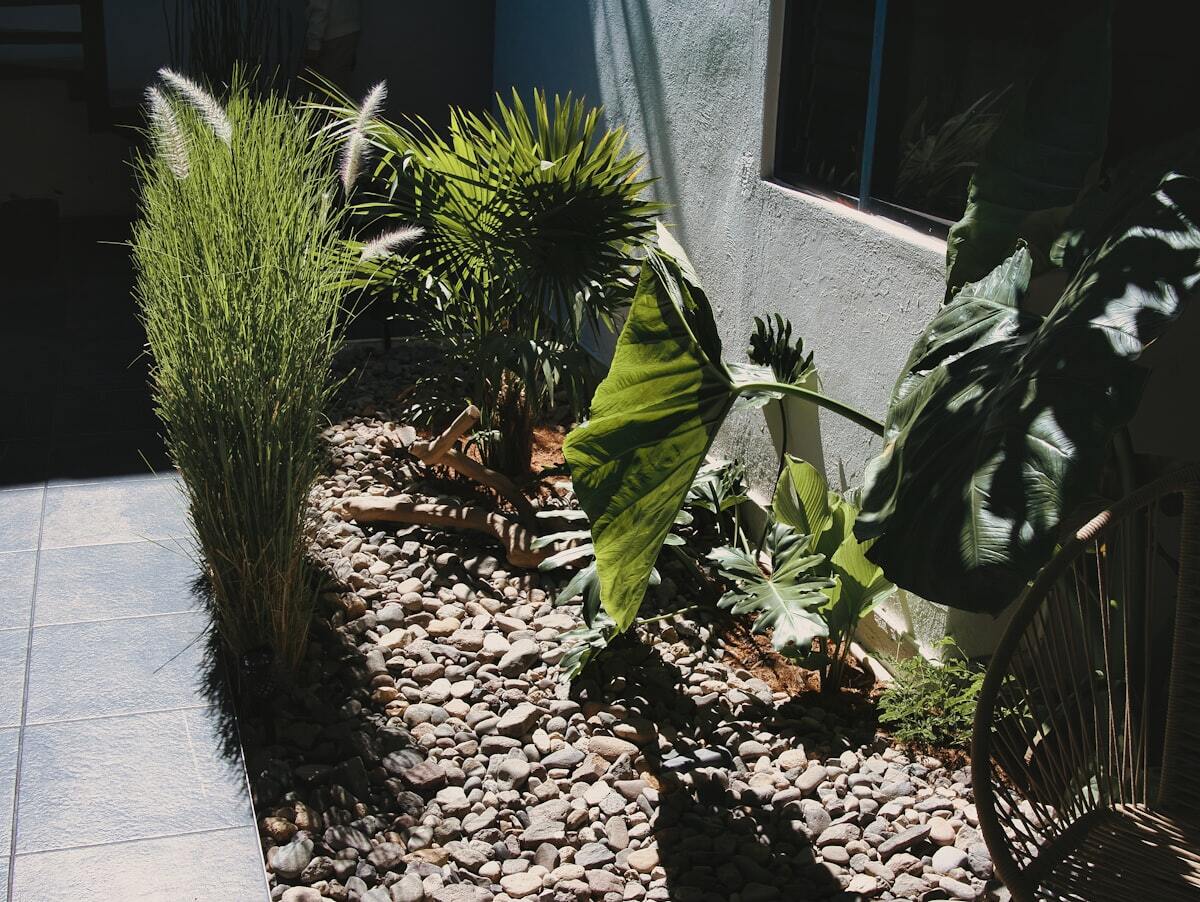
- Pull mulch, rock, and bark back 12-18 inches from the foundation. This dry buffer is the single most effective deterrent.
- Fix the damp spots, leaky hose bibs, dripping AC condensate lines, and irrigation that runs against the house all create the moisture these pests need.
- Clear leaf litter, grass clippings, and debris from along the foundation and out of window wells.
- Move woodpiles and stored materials away from the house and up off the ground.
- Replace worn door sweeps and garage seals, and caulk obvious foundation cracks and utility gaps.
- Improve drainage so monsoon water flows away from the foundation instead of pooling against it.
- Run a dehumidifier or fan in damp garages, basements, or crawl spaces.
Why DIY Sprays Fall Short
A can of spray kills the earwig or centipede you can see, but it does nothing about the population staging in your landscaping or the entry points letting them in. Because these pests are constantly replenished from outdoor harborage during wet weather, the only durable fix is a perimeter approach: treating the harborage zones where they live during the day, sealing the low entry points, and creating a treated barrier they have to cross to reach the house. The same treatment that stops earwigs and millipedes also knocks down the ants, crickets, and spiders sharing that perimeter, one service covering the whole moisture-pest complex.
Are They Dangerous to Children or Pets?
For the most part, no, and that reassurance is worth stating plainly. Earwigs cannot meaningfully pinch a person, do not carry disease, and do not infest food. Millipedes neither bite nor sting, though they can release a mild defensive fluid if handled roughly, so it is best to teach children to leave them alone and wash their hands afterward. Centipedes are the one exception worth respecting: the larger desert species can deliver a painful bite if grabbed, so it is smart to keep curious kids and pets from poking at them.
The bigger issue is rarely health and almost always quality of life. Waking up to these pests in the bathroom, garage, or kitchen night after night wears on a household, and it usually signals a moisture or entry problem that will keep producing them until it is corrected. Solving the source is what turns it from a recurring nuisance into a closed chapter.
Serving the White Mountains
Neff Exterminating provides pest and rodent control for homes and businesses throughout Show Low, Snowflake, Taylor, Pinetop-Lakeside, Holbrook, Winslow, Eagar, Springerville, Heber-Overgaard, and surrounding communities. View our full service area list to confirm we cover your location.
Stop Sweeping Them Up Every Morning
If earwigs, millipedes, or centipedes are showing up inside after every rain, there is a source, and we can find it. Call Neff Exterminating today for a free pest control quote.
Taylor Office: (928) 536-6862
Show Low Office: (928) 532-5300
‹ Back
Recent Posts
-

7 Signs Rodents Have Already Moved Into Your Attic
October 9, 2026
-

Why Spiders Suddenly Appear Indoors Every October
October 2, 2026
-

-

Stacking Firewood for Winter? You May Be Carrying Pests Into Your Home
September 25, 2026
-

Back-to-School Bed Bug Awareness: Protecting Your Home From Hitchhikers
September 18, 2026
