


Help & Resources
Black Widow Spiders in Arizona: Spotting, Preventing, and Removing Them Safely
Of all the spiders we deal with in the White Mountains, only one is genuinely dangerous to people and pets: the black widow. And of all the times of year you are most likely to encounter one, late May and early June top the list. Spring rains and warming temperatures push black widow populations into peak activity right as homeowners start opening up garages, sheds, and outdoor storage for the summer.
At Neff Exterminating, black widow calls climb every year as Memorial Day approaches. Here is what every homeowner in Show Low, Snowflake, Taylor, and the surrounding White Mountains needs to know, and how to handle them safely.
How to Identify a Black Widow
The good news: black widows are one of the most identifiable spiders in North America. The features to look for:
- Glossy black body, mature females are jet black, almost lacquered-looking. About 1.5 inches across including legs.
- The red hourglass, on the underside of the abdomen. This is the diagnostic mark. Sometimes it is split or partial; sometimes there are additional red or orange markings on top.
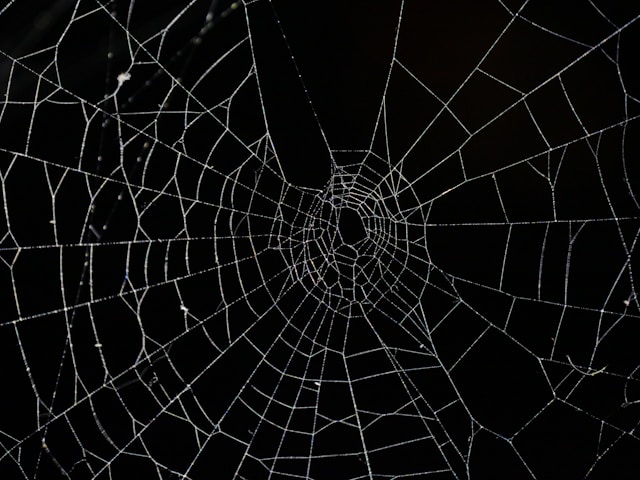
- Messy, irregular web, not the neat geometric web of a garden spider. Black widow webs are tangled, sticky, and surprisingly strong.
- Egg sacs, round, papery, off-white, about the size of a pea. Multiple egg sacs in one web is a sure sign of an established female.
Males and juveniles are smaller, lighter in color, and significantly less dangerous, but if you see a mature female with the red hourglass, treat it as a serious matter.
Where Black Widows Live in White Mountains Homes
Black widows are reclusive and prefer dry, dark, undisturbed places. The most common locations our technicians find them:
Outdoor & Adjacent to the Home
- Under eaves, exterior light fixtures, and porch ceilings.
- Inside outdoor electrical boxes, water meter boxes, and irrigation valve covers.
- In rock walls, retaining walls, and gravel landscaping.
- Under outdoor furniture, BBQ grill covers, and patio storage benches.
- Inside garden hoses, hose reels, and unused planters.
- In woodpiles, a top hiding spot.
Garages, Sheds & Outbuildings
- Corners and underside of workbenches.
- Inside boxes, totes, and stacked storage that has not been moved in months.
- Behind and under tools, lawn equipment, and bicycles.
- Inside boots, shoes, and gloves left on shelves, a frequent source of bites.
- Around door tracks and sliding garage door mechanisms.
Inside the Home (Less Common, but Possible)
- Basements, crawl spaces, and utility rooms.
- Behind appliances and inside undisturbed cabinets.
- Inside attached garages where exterior access is open.
Why Black Widow Bites Are Serious, and What to Do
Most black widow encounters do not end in bites. The spider would much rather hide than confront you. Bites typically happen when a hand or foot blunders into the web, reaching into a glove, putting on a shoe stored in the garage, moving a piece of stored equipment.
A black widow bite is a medical concern, particularly for:
- Children.
- Elderly individuals.
- Anyone with cardiovascular conditions.
- Pets, especially cats, which are highly susceptible to the venom.
Symptoms can include severe muscle cramping, abdominal pain, sweating, elevated blood pressure, and nausea. If you or a family member is bitten, seek medical attention promptly, do not wait to see if symptoms develop. Bring a photo of the spider if possible (do not bring the live spider). Most healthy adults recover fully, but the experience is miserable and the risk to vulnerable people is real.
Preventing Black Widow Encounters
Black widow prevention is mostly about denying them the dark, undisturbed harborage they prefer:
- Wear gloves when reaching into stored boxes, woodpiles, garden equipment, or anywhere a black widow could be hiding. This single habit prevents the majority of bites.
- Shake out shoes, boots, and gloves stored in the garage, shed, or mudroom before putting them on, especially if they have not been worn in a few weeks.
- Move stored items periodically. Black widows establish where they can sit undisturbed. Rotating storage and clearing clutter denies them that opportunity.
- Seal exterior access. Door sweeps, weather stripping, and sealed utility penetrations keep widows from moving from outdoor harborage into garages and homes.
- Keep woodpiles away from the house, at least 20 feet, and elevated off the ground.
- Clean up exterior clutter, old flowerpots, stacked lumber, unused equipment. Each pile is a black widow apartment.
- Outdoor lighting matters. Bright porch and yard lights attract the insects black widows feed on. Switching to yellow "bug" bulbs or motion-activated lighting reduces the food supply.
Safe Removal, and Why Professional Treatment Matters
If you find a single black widow in an isolated outdoor location, careful removal with a long-handled tool and a shoe is reasonable. But there are situations where DIY removal is not the right move:
- Multiple webs or egg sacs in one area, means an established population, not a one-off.
- Black widows inside the home or attached garage, means there is an entry point that needs to be addressed.
- Properties with kids, pets, or elderly residents.
- Recurring sightings after past spot treatments.
- Cabins and vacation homes being opened for the season, populations can build undetected over winter.
Professional treatment combines targeted application of pest control products to harborage areas, physical removal of webs and egg sacs (critical, one egg sac contains 200+ spiderlings), and exclusion work to seal access points. Our perimeter pest control programs are designed to keep black widow populations down across the entire property, not just clear them temporarily from one spot.
Serving the White Mountains
Neff Exterminating provides black widow and general spider control for residential and commercial properties throughout Show Low, Snowflake, Taylor, Pinetop-Lakeside, Holbrook, Winslow, Eagar, Springerville, Heber-Overgaard, and the surrounding White Mountains. View our full service area list to confirm we cover your location.
Do Not Reach Into a Glove You Have Not Treated
Black widow season in the White Mountains peaks late May through summer. If you have spotted one, or you have not opened your garage, shed, or cabin yet this year, the smart move is treatment now, before someone reaches into the wrong place. Call Neff Exterminating today for a free spider control quote.
Taylor Office: (928) 536-6862
Show Low Office: (928) 532-5300
‹ Back
Recent Posts
-
The White Mountains Pest-Proofing Checklist for Winter
October 16, 2026
-
7 Signs Rodents Have Already Moved Into Your Attic
October 9, 2026
-

Why Spiders Suddenly Appear Indoors Every October
October 2, 2026
-

-
Stacking Firewood for Winter? You May Be Carrying Pests Into Your Home
September 25, 2026
