

Help & Resources
Overwintering Invaders: Box Elder Bugs, Cluster Flies & Lady Beetles Head Indoors This Fall
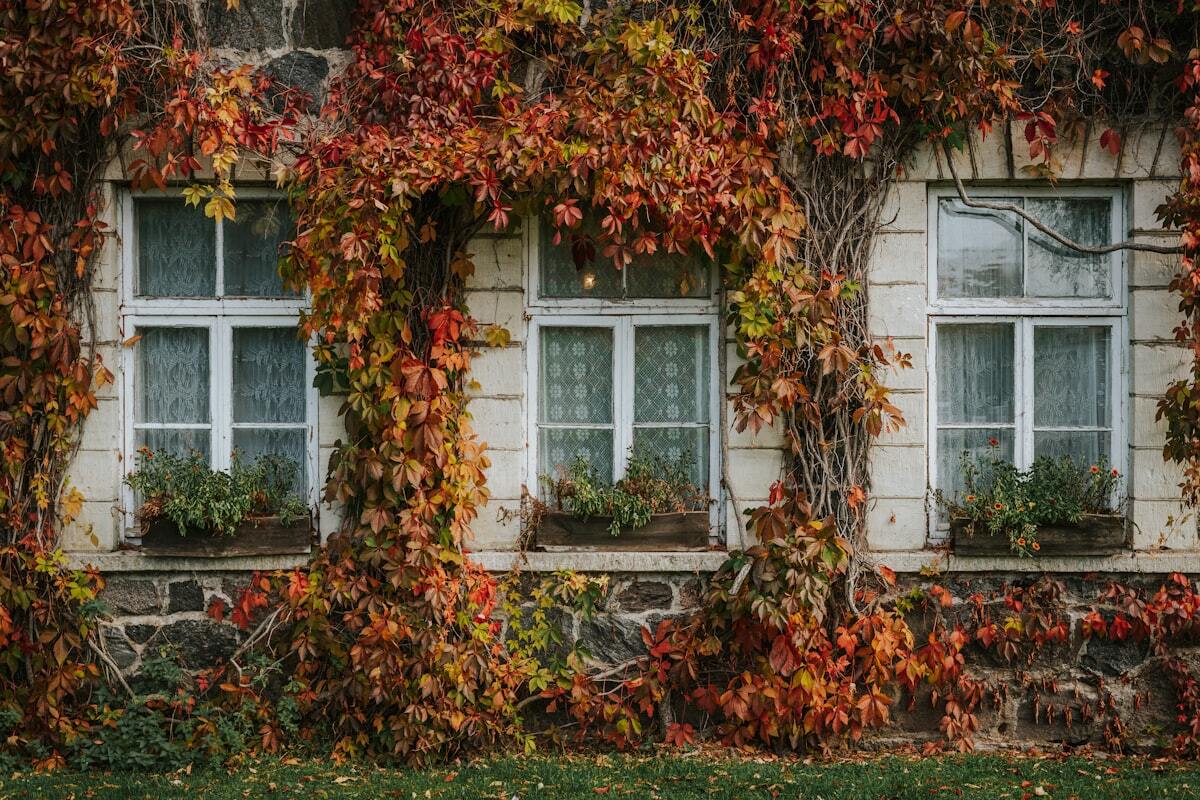
On the first warm, sunny afternoons of fall, you may notice them: dozens of insects gathered on the south- and west-facing walls of your home, soaking up the heat. Box elder bugs, lady beetles, and cluster flies all share the same autumn agenda, find a warm, protected place to wait out the winter, and your home's walls and attic look perfect.
These "overwintering pests" are one of the classic signs of fall in the White Mountains, and while they are more nuisance than threat, they can show up in frustrating numbers. At Neff Exterminating, here is what Show Low, Snowflake, and Taylor homeowners should know about keeping them out.
Why They Come to Your Walls in Fall
As temperatures drop, these insects instinctively seek shelter to survive the winter in a dormant state. They are drawn to the warmth radiating off sunlit exterior walls, and they gather there in groups on warm fall days. From those walls, they work their way into the structure through the smallest gaps, around windows, under siding, through soffit and attic vents, and into wall voids, where they settle in to wait out the cold.
The catch is that they do not always stay put. On a warm winter day, or as the heat of spring arrives, they "wake up" and become active again, and some of them get confused and emerge on the inside of the house instead of the outside. That is why you might find lady beetles on a sunny windowsill in January or box elder bugs crawling across the ceiling in March. They were there in the walls the whole time.
Meet the Overwintering Crew
Box Elder Bugs
Black with distinctive red-orange markings, about a half-inch long. They feed on box elder and other maple and ash trees during the season, then congregate on warm walls in fall. They do not bite, sting, or damage your home, but they can stain surfaces and fabrics if crushed, and large numbers indoors are a real nuisance.
Lady Beetles (Asian Lady Beetles)
The familiar orange-to-red "ladybugs," though the overwintering variety is usually the Asian lady beetle. They are beneficial garden predators in summer, but in fall they cluster on and inside homes. When disturbed, they can give off a yellowish, staining fluid with an unpleasant odor, and a few people are mildly allergic to heavy indoor accumulations.
Cluster Flies
Larger and more sluggish than house flies, with a slightly golden sheen. They do not breed in your home or contaminate food the way house flies do, they simply come indoors to overwinter, then cluster on warm windows and in attics, often emerging in groups on sunny days.
The Most Important Rule: Don't Squish Them
It is tempting to crush these insects on sight, but with all three, that is the wrong move indoors. Box elder bugs and lady beetles can leave stains on walls, curtains, and carpet, and lady beetles release a foul-smelling fluid when squashed. Crushing them can also attract more, and it does nothing about the dozens more hidden in the walls. Vacuuming is the better approach, gently collect them and empty the canister or bag outside. For large or recurring accumulations, that is also the point to call in help.
Why Exclusion Is the Real Solution
Here is the key fact about overwintering pests: once they are inside your walls, treating them is difficult and largely ineffective, they are tucked into voids you cannot reach, and spraying indoors does not solve it. The only durable fix is keeping them out in the first place, which means sealing the building envelope before they move in during fall. That makes early fall the critical window to act.
Effective exclusion includes:
- Sealing cracks and gaps around windows, doors, siding, and trim with quality caulk or sealant.
- Repairing or adding screening on soffit, attic, gable, and crawl-space vents.
- Installing and maintaining door sweeps and weatherstripping.
- Sealing utility penetrations where pipes and wires enter the home.
- A well-timed exterior treatment of the walls and entry points in early fall, before the insects gather and move in, the most effective tool for reducing the numbers that get inside.
Because finding and sealing every gap on a home is a tall order, a professional fall exclusion and exterior service is the most reliable way to get ahead of these pests before the walls fill up.
Will They Damage My Home?
This is usually the first thing homeowners want to know, and the answer is reassuring: box elder bugs, lady beetles, and cluster flies do not damage the structure of your home. They do not chew wood, they do not nest in a destructive way, and they do not reproduce indoors the way a true infestation pest does. They are overwhelmingly a nuisance rather than a threat. The caveats are minor: box elder bugs and lady beetles can leave stains if crushed against walls, curtains, or carpet, and very heavy indoor accumulations can bother people with sensitivities. Beyond that, the main cost is simply the annoyance of finding them on sunny windows all winter.
Why They Come Back Every Year
If you dealt with these pests last fall and they returned this year, it is not because a treatment failed, it is because the gaps that let them in are still there. These insects navigate to the same warm, south-facing walls season after season, and any home with unsealed cracks, gaps, and vents will keep offering them a way inside. That is why the durable solution is exclusion done once and maintained, rather than a treatment repeated indoors every winter. Seal the building envelope, and you stop being on their route.
Serving the White Mountains
Neff Exterminating provides pest and rodent control for homes and businesses throughout Show Low, Snowflake, Taylor, Pinetop-Lakeside, Holbrook, Winslow, Eagar, Springerville, Heber-Overgaard, and surrounding communities. View our full service area list to confirm we cover your location.
Stop Them at the Wall, Not in the Living Room
Once overwintering bugs are in your walls, they are nearly impossible to treat, the win is sealing them out in fall. Call Neff Exterminating today for a free quote on fall exclusion service.
Taylor Office: (928) 536-6862
Show Low Office: (928) 532-5300
‹ Back